The Holistic Approach: How It Transforms Mental Health Recovery


In recent years, there has been a shift in how we view mental health recovery. Instead of focusing solely on traditional therapies, a more comprehensive method has emerged—the holistic approach. This method considers the person as a whole, addressing not just the mind, but also the body and spirit.
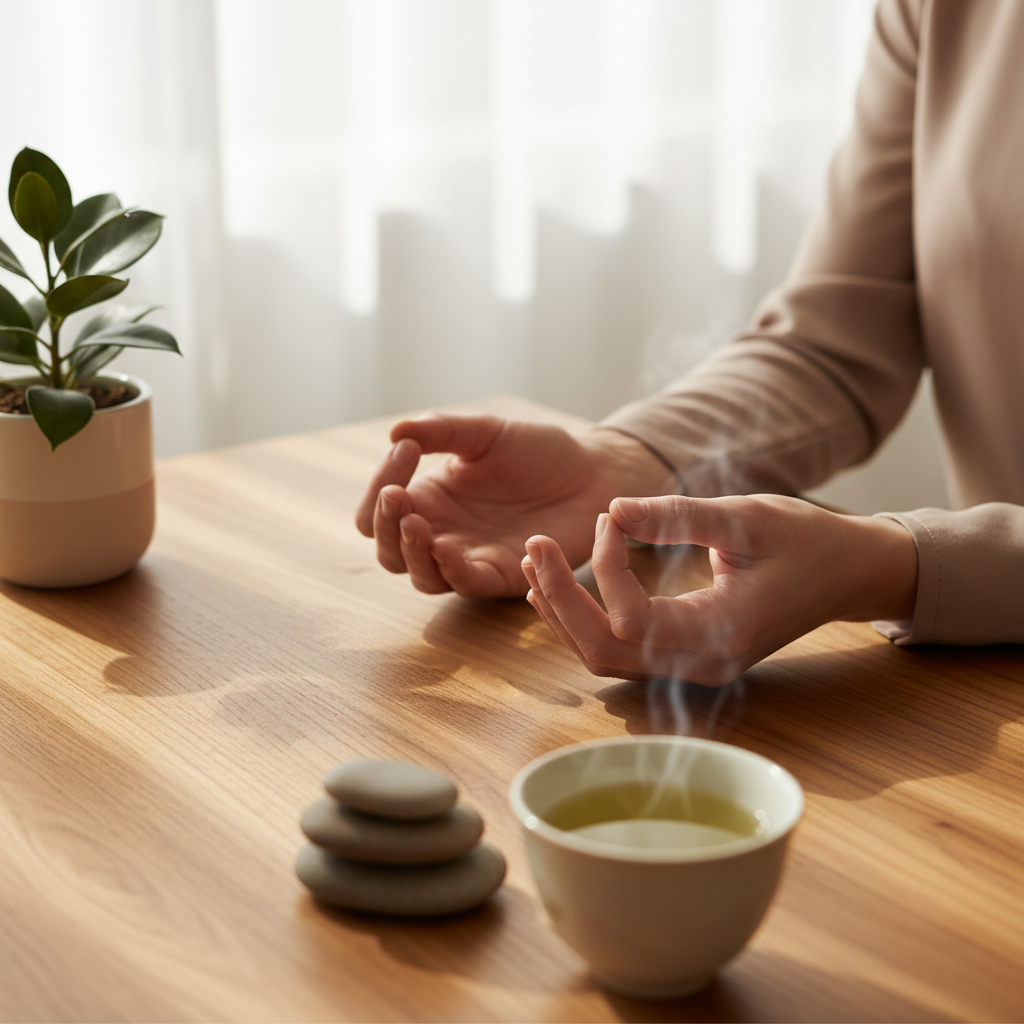
Understanding the Holistic Approach
The holistic approach to mental health recovery is gaining popularity due to its inclusive nature. It seeks to understand the interconnection between mental, physical, and emotional well-being. By integrating various therapies and lifestyle changes, individuals can experience a more balanced recovery process.
Components of the Holistic Approach
The holistic approach is multifaceted, often including practices such as:
- Mindfulness and Meditation: These practices help reduce stress and increase self-awareness.
- Nutrition and Exercise: A balanced diet and regular physical activity are crucial for maintaining mental health.
- Therapeutic Techniques: This includes traditional talk therapy, art therapy, and other creative outlets.

Benefits of a Holistic Approach
One of the main benefits of the holistic approach is its focus on long-term well-being. By addressing multiple aspects of a person's life, it promotes sustainable recovery and resilience. Individuals often report improvements not only in their mental health but also in their overall quality of life.
Personalized Care
Holistic mental health care is highly personalized. Practitioners work closely with individuals to develop tailored plans that suit their unique needs and preferences. This personalized care ensures that each person receives the most effective combination of therapies.

Challenges and Considerations
While the holistic approach offers numerous benefits, it also comes with challenges. It requires a commitment to lifestyle changes and often involves exploring uncharted territories of personal growth. Additionally, finding qualified holistic practitioners can be a hurdle for some individuals.
Integrating Holistic Practices
For those interested in incorporating holistic practices into their recovery, here are some steps to consider:
- Research and Educate: Learn about different holistic practices and how they can benefit mental health.
- Consult Professionals: Seek out professionals who specialize in holistic mental health care.
- Start Small: Gradually introduce new practices into your routine to avoid feeling overwhelmed.

Ultimately, the holistic approach to mental health recovery is about finding balance and harmony in life. By addressing the full spectrum of human experience, it offers a transformative path to healing and resilience. As more people embrace this comprehensive model, the potential for profound change in mental health care continues to grow.