The Role of a Certified Medi-Cal Peer Support Specialist: Insights from Dr. Hung Le


Understanding the Certified Medi-Cal Peer Support Specialist
The role of a Certified Medi-Cal Peer Support Specialist is vital in providing mental health support to individuals navigating the complexities of the healthcare system. These specialists offer unique insights and assistance, drawing from their personal experiences with mental health challenges and recovery. Dr. Hung Le, an expert in the field, provides valuable insights into the impact and responsibilities of these professionals.
Peer Support Specialists are individuals who have successfully managed their own mental health conditions and have undergone training to support others. Their lived experiences enable them to offer empathy, understanding, and guidance to those currently struggling. This connection fosters trust and empowers individuals on their journey to recovery.

The Importance of Lived Experience
Dr. Le emphasizes that the strength of Peer Support Specialists lies in their lived experience. This personal connection allows them to relate to clients in a way that traditional healthcare providers may not be able to. Their role is not to replace clinicians but to complement the existing mental health care framework, providing a bridge between patients and professionals.
By sharing their stories, Peer Support Specialists can inspire hope and demonstrate that recovery is possible. They help clients set realistic goals and develop coping strategies, acting as both mentors and advocates within the healthcare system.
Training and Certification
To become a Certified Medi-Cal Peer Support Specialist, individuals must complete specialized training that equips them with the skills necessary to support others effectively. This training covers various aspects of mental health, communication techniques, and crisis intervention. Certification ensures that specialists maintain a high standard of care and professionalism.

Building a Supportive Community
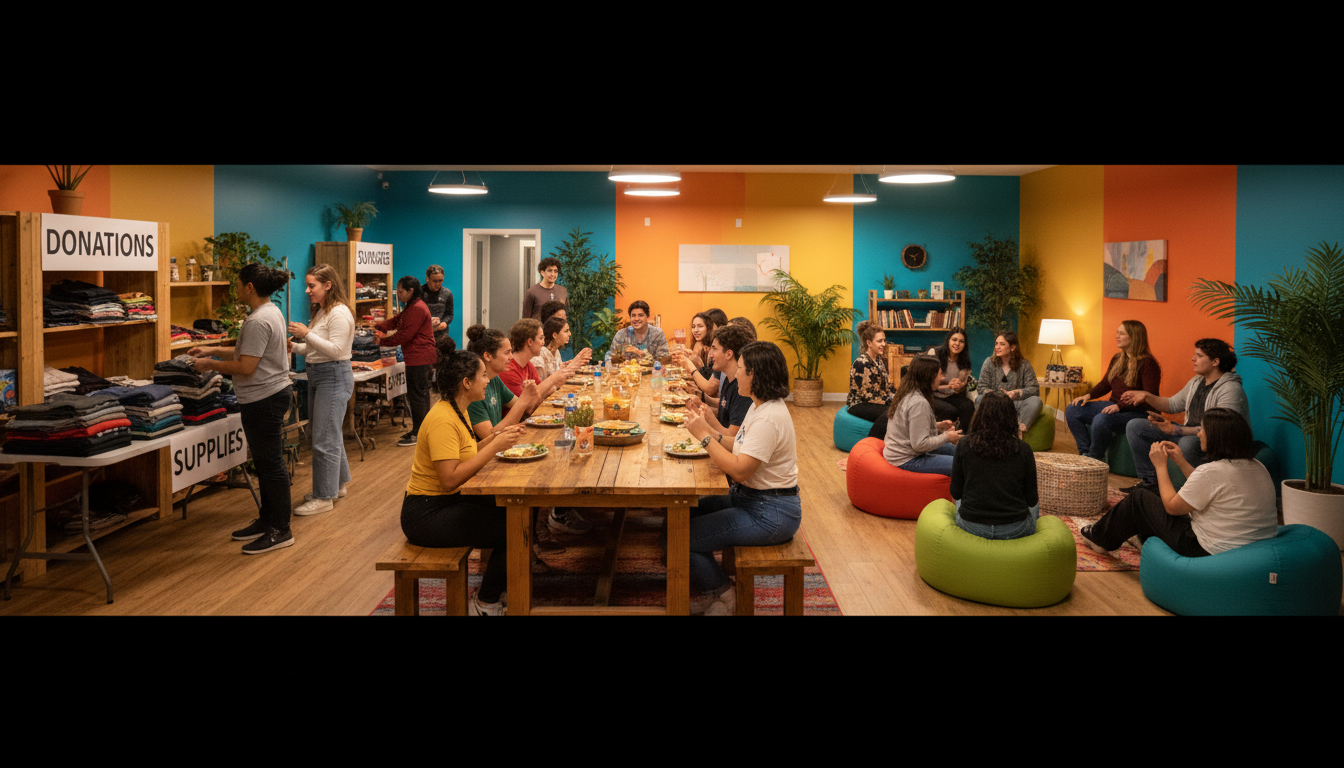
One of the key responsibilities of Peer Support Specialists is to help build a supportive community for their clients. This involves connecting individuals with resources, support groups, and other services that can aid in their recovery journey. By fostering a sense of community, specialists help reduce feelings of isolation and stigma associated with mental health issues.
Dr. Le notes that these specialists often work closely with families and caregivers, providing education and support to help them better understand and assist their loved ones. This holistic approach ensures that everyone involved in the recovery process is informed and empowered.
Challenges and Opportunities
While the role of a Peer Support Specialist is rewarding, it also comes with challenges. Specialists must navigate their own mental health while supporting others, requiring strong self-care practices and supervision. Dr. Le highlights the importance of ongoing training and peer support for the specialists themselves to address these challenges effectively.
Opportunities for growth in this field are expanding as the demand for mental health services increases. Peer Support Specialists play a crucial role in shaping the future of mental health care by advocating for more inclusive and patient-centered approaches.
Conclusion
The insights shared by Dr. Hung Le underscore the vital role of Certified Medi-Cal Peer Support Specialists in the mental health landscape. By leveraging their lived experiences, they provide invaluable support, bridge gaps in care, and foster a sense of community among those they assist. As awareness and demand for mental health services grow, the contributions of these specialists will continue to be instrumental in transforming lives.